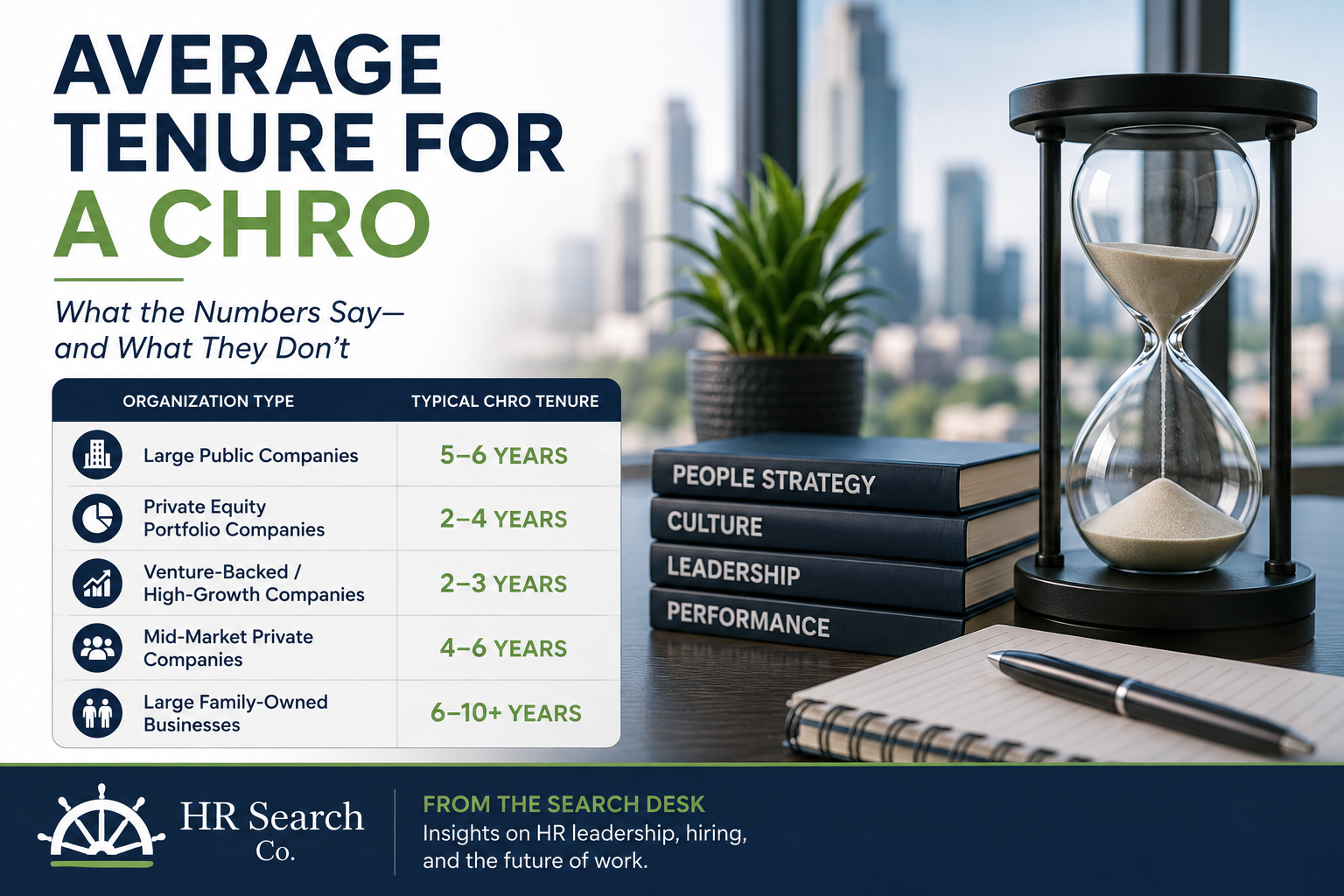

For a CHRO in a private equity portfolio company (a CHROPE), finding incremental OpEx savings is not optional—it’s expected. And we’re not talking about large reductions like RIFs or hiring freezes. The smartest CHROPEs know that small, thoughtful efficiencies compound, demonstrating fiscal discipline and alignment with the CEO and PE parent.
Many HR leaders focus on the big-ticket items, but remember: not all expenses fall under OpEx. Capital expenditures (CapEx) are often protected and immovable. The wins you’re looking for are in the operational details—the overlooked line items, the autopilot renewals, and the habitual spend that never gets revisited.
Here are key areas in the HR budget worth re-examining if you’re hunting for incremental OpEx savings:
1. Vendor Negotiations: Reassess Every Contract
Ask yourself: When did we last renegotiate these terms?
Benefits providers, background check vendors, learning platforms, EAP programs, payroll processors—these contracts often go untouched for years.
Action steps:
- Review agreements proactively, not reactively
- Benchmark pricing against current market rates
- Consolidate vendors where possible
- Negotiate multi-year discounts or performance-based pricing
Even modest reductions across multiple contracts can produce meaningful savings.
2. Technology Optimization: Reduce Redundancy + Automate Work
Your HR tech stack may be costing more than it should.
Look for:
- duplicate tools serving similar purposes
- unused or underutilized platform features
- manual processes that could be automated
- opportunities to consolidate into a single HRIS ecosystem
Automation in payroll, onboarding, performance management, and benefits enrollment reduces administrative hours—freeing your team for higher-value work.
3. Use Data to Identify Cost Leaks
Data-driven visibility allows you to pinpoint where money is slipping through the cracks.
Track:
- recruiting funnel inefficiencies
- turnover drivers
- overtime trends
- L&D program ROI
- benefits utilization patterns
Each insight informs targeted cost reduction—without sacrificing experience or performance.
4. Improve Retention to Avoid Replacement Costs
Replacing a steady performer costs far more than retaining one. This is where OpEx savings become exponential.
Build retention through:
- career development pathways
- mentorship
- recognition
- internal mobility
- manager capability building
Stable teams mean lower recruiting costs, lower onboarding spend, and higher productivity.
5. Embrace Remote or Flexible Work (Where Feasible)
Every day an employee isn’t in the office is a day you spend less on:
- facilities
- utilities
- parking
- security
- office supplies
Remote-first or hybrid models can lower OpEx across several cost centers.
6. Expand Employee Self-Service
Self-service HR portals reduce touchpoints and administrative burden.
Examples of self-service wins:
- personal info updates
- pay stub access
- benefits enrollment
- PTO tracking
- HR policy access
The ROI is clear: fewer service requests = lower HR labor hours.
7. Strengthen Performance Management
High-performing teams cost less.
Low performance creates inefficiency, rework, and turnover.
Invest in:
- structured performance frameworks
- high-quality feedback
- objective goal setting
- clear manager expectations
Better performance means fewer expensive people problems.
8. Lean Into Health & Safety Initiatives
A safe workplace prevents:
- injuries
- workers’ comp claims
- lost productivity
- legal exposure
Proactive investment in safety reduces reactive spending later.
9. Streamline HR Processes
Process inefficiencies are silent OpEx drains.
Audit your workflows:
- onboarding
- offboarding
- promotions
- performance reviews
- payroll cycles
- benefits administration
Cut out redundancy, simplify handoffs, and create standardized templates. Small efficiencies scale quickly.
10. Outsource or Offshore Non-Core HR Functions
For CHROPEs who must stay lean, outsourcing is often the most efficient path.
Common candidates:
- payroll
- benefits administration
- recruiting
- compliance training
- policy management
Offshoring administrative tasks can generate additional savings while preserving strategic HR capabilities internally.
Final Thoughts
Finding incremental OpEx savings is not just about cutting costs—it’s about showing the CEO and PE parent that HR is disciplined, thoughtful, and aligned with the value-creation agenda.
The CHROPE who balances smart savings with strong employee experience sends a powerful message:
HR understands the business, protects the culture, and guards the bottom line.